When the nerve inside a tooth is infected or badly inflamed, a root canal removes the infected tissue, cleans and seals the canals, and saves the tooth. The alternative is usually extraction. Dr. Kim has treated complex molar root canals for years and keeps the visit calm.
What a root canal is
Inside every tooth is a soft core of nerves and blood vessels. A deep cavity, a crack or an old filling can let bacteria reach it. Once that tissue is infected it cannot heal on its own, and the tooth starts to hurt. A root canal removes the infected tissue, disinfects the canals and seals them, so you keep the tooth.
Signs you may need one: severe or throbbing tooth pain, lingering sensitivity to hot or cold, swelling of the gum, or a tooth that has darkened.
What to expect
Usually one or two visits, depending on how far the infection has spread. The tooth is fully numbed first.
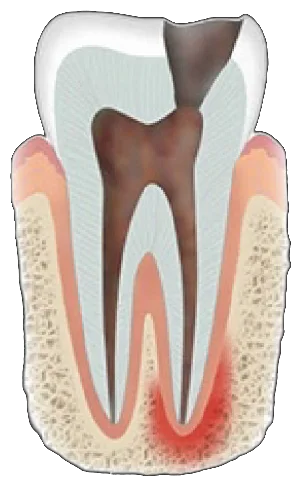
1. Diagnosis
An X-ray and simple tests (cold, tapping) confirm that the nerve is infected and that the tooth can be saved.
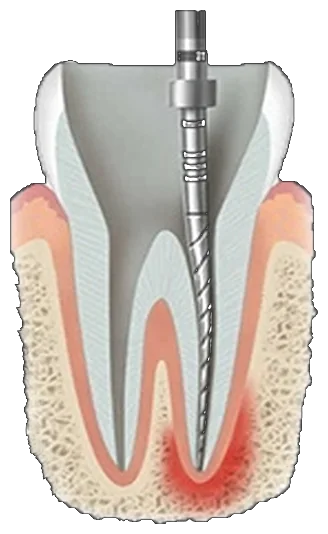
2. Cleaning the canals
After numbing, Dr. Kim opens the tooth and removes the infected tissue from each canal under magnification.
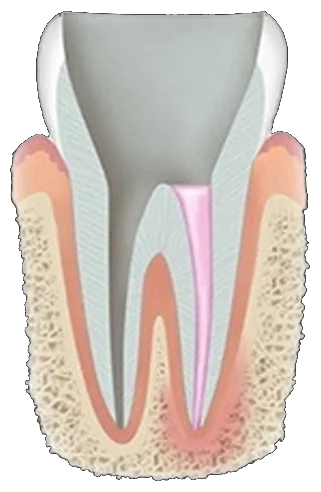
3. Sealing
The canals are disinfected, shaped and sealed so bacteria cannot return.
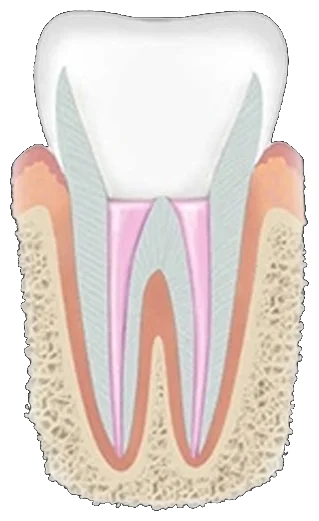
4. Crown
A treated tooth becomes more brittle, so it almost always gets a crown. Dr. Kim will tell you whether yours does.
Most patients feel relief from the original pain the same day. Mild tenderness for a few days is normal and responds to over-the-counter pain relief.
Cost and insurance
Root canals are covered by most plans, including Denti-Cal, often with limits by tooth type. Some cases need pre-approval; we handle the paperwork and tell you any cost before we start.
Payment plans are available: CareCredit, Sunbit, and in-house plans for larger treatments.
Dr. Kim's approach
Dr. Kim has treated complex molar root canals for years and uses effective anesthesia so the visit is calm. Dental loupes give magnification for the fine canal anatomy, and digital X-rays mean less radiation and an instant image.
If a tooth cannot be saved, she tells you honestly instead of starting a treatment that will not last.
Why Happy Light Dental for a root canal
Accurate diagnosis
Symptoms, X-rays and pulp tests together show whether the nerve can recover or needs treatment, so you are not treated for nothing.
Loupes and digital X-rays
Magnification shows the fine canal anatomy, and digital radiography gives an instant image with less radiation.
Pain management
Effective anesthesia and a steady pace: an infected tooth is painful enough without the treatment adding to it.
Sterilization
Clean canals and sterile instruments are what make the treatment last and protect you from cross-contamination.
Root canal questions
Ready to talk about a root canal?
Call (310) 644-4648 or book online. Se habla español · 한국어 진료 가능.